
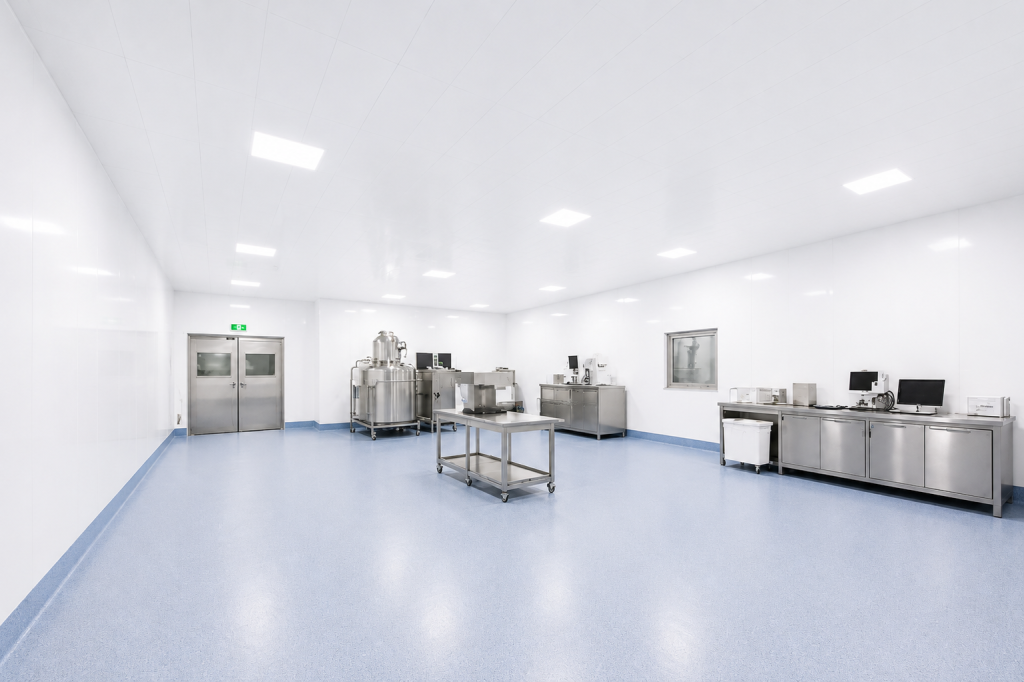
What are Cleanrooms?
Cleanrooms are controlled environments designed to maintain low levels of airborne contaminants such as dust, particles and microorganisms.
Unlike standard rooms, cleanrooms are engineered to control specific environmental conditions. These may include:

Air Pressure

Surface Cleanliness

Contamination Levels

Airborne Particles

Airflow

Temperature
Humidity

The required level of control depends on the industry and the processes being carried out inside the cleanroom. Cleanrooms can range from small laboratory areas to large-scale manufacturing environments.

how do cleanrooms work?
Cleanrooms work by controlling the movement and removal of airborne contaminants.
Filtered air is continuously introduced into the cleanroom while contaminated air is removed through the ventilation system. This helps maintain the required level of cleanliness and environmental control.
However, air filtration is only one part of an effective cleanroom. People, equipment, materials and manufacturing processes can all introduce contaminants. For this reason, the room itself must also be designed to support contamination control.
This includes the use of suitable cleanroom wall panels, ceilings, flooring, doors and other surfaces that can withstand regular cleaning and maintenance.
Why Are Cleanroom Wall Systems Important?
Cleanroom walls are more than partitions – they help maintain a controlled, hygienic environment. Cleanrooms wall systems provide smooth, easy-to-clean surfaces that minimise contamination and simplify maintenance.
A well-designed modular wall system can offer:

Smooth and easy-to-clean surfaces
Flexible room configurations
Faster installation
Reduced areas for dust
Resistance to frequent cleaning
Future expansion and reconfiguration
Easy Maintenance
Durable construction

industries that use cleanrooms
Cleanrooms are used accross many industries where contamination and environmental consistency are essential.
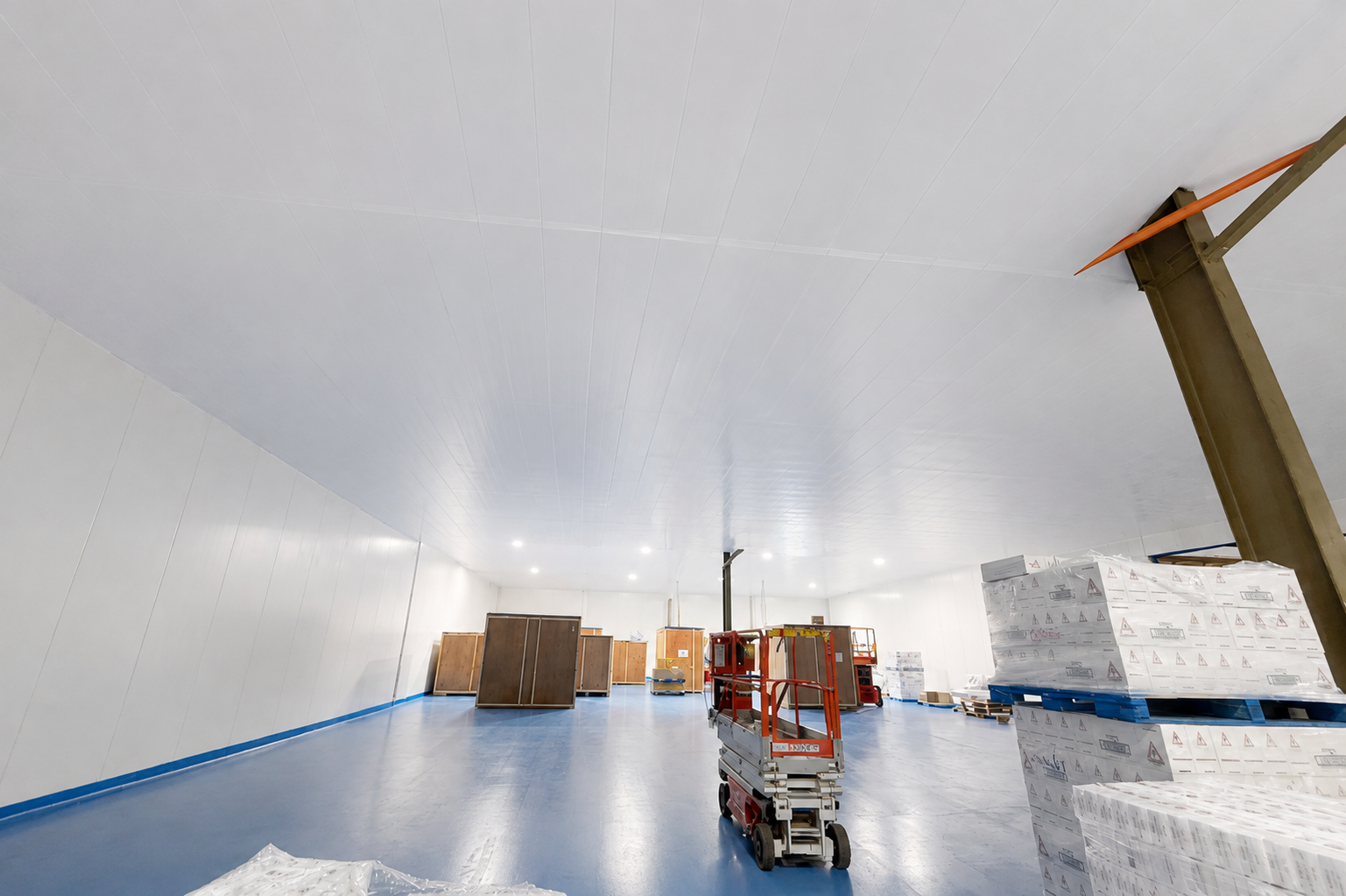
Food Processing Facilities
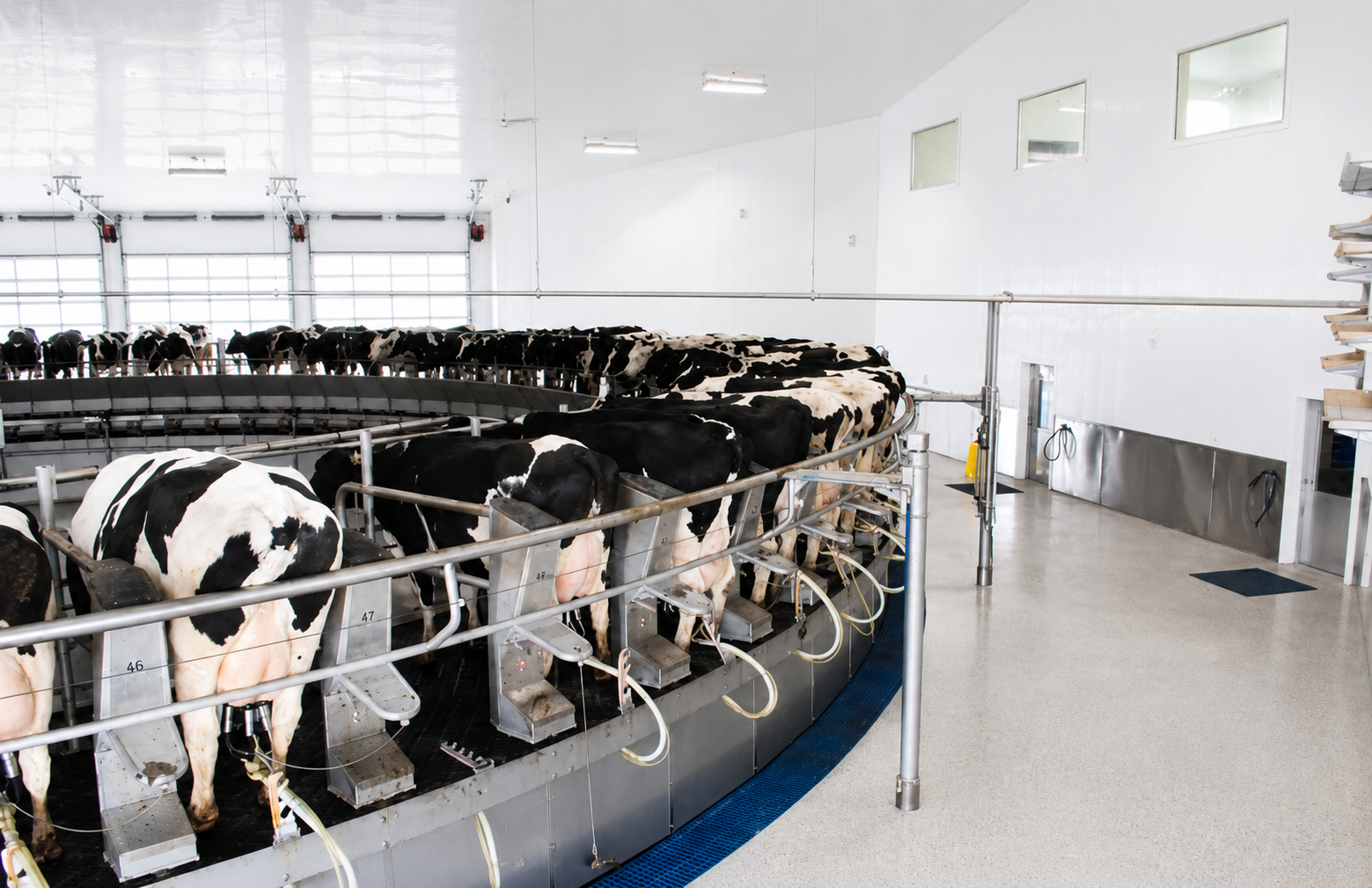
Agricultural Processing Facilities

Laboratory Facilities
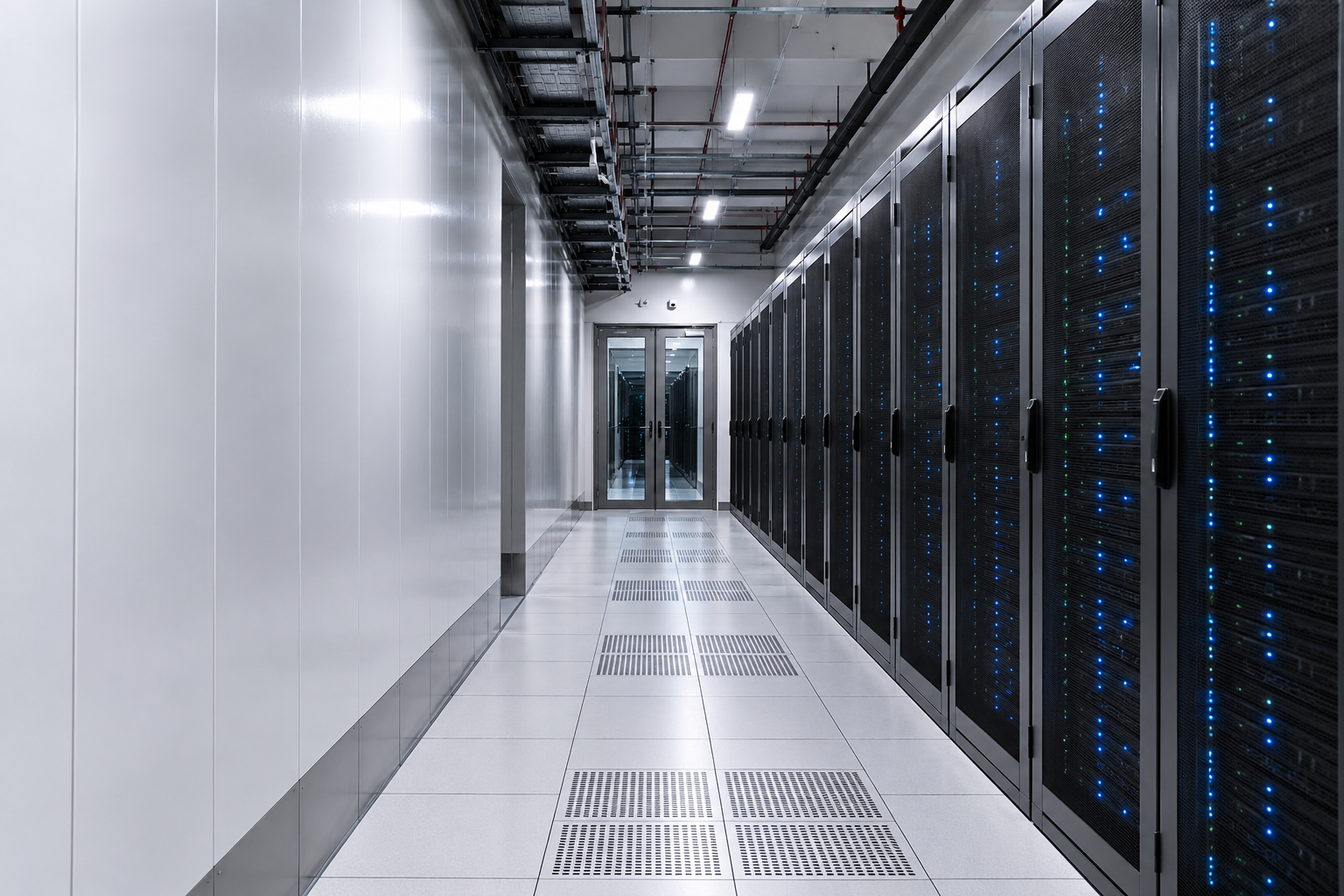
Data Centres
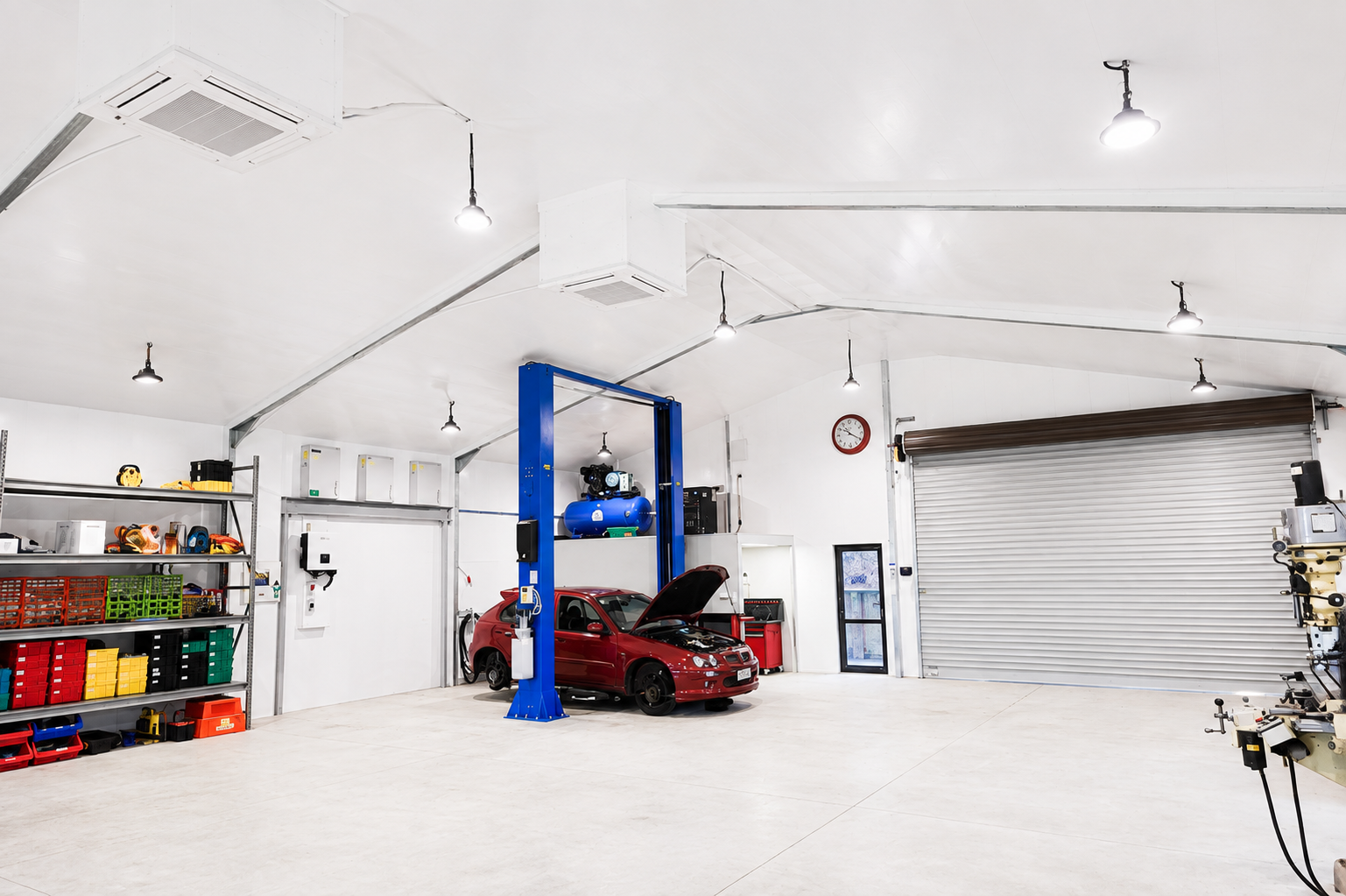
Industrial Facilities
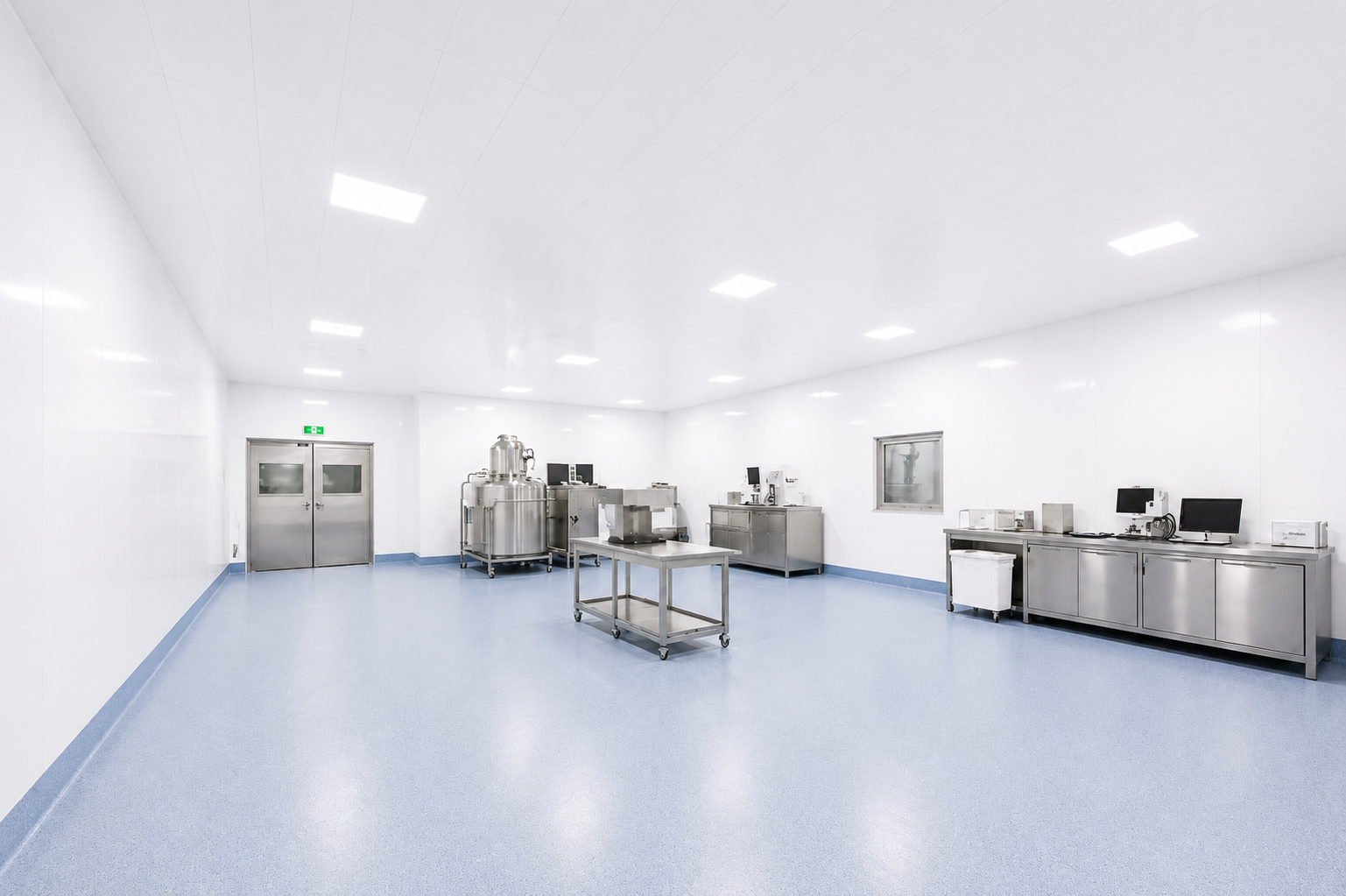
Pharmaceutical Cleanrooms